Building a Research Career in Germany: An International Researcher's Perspective
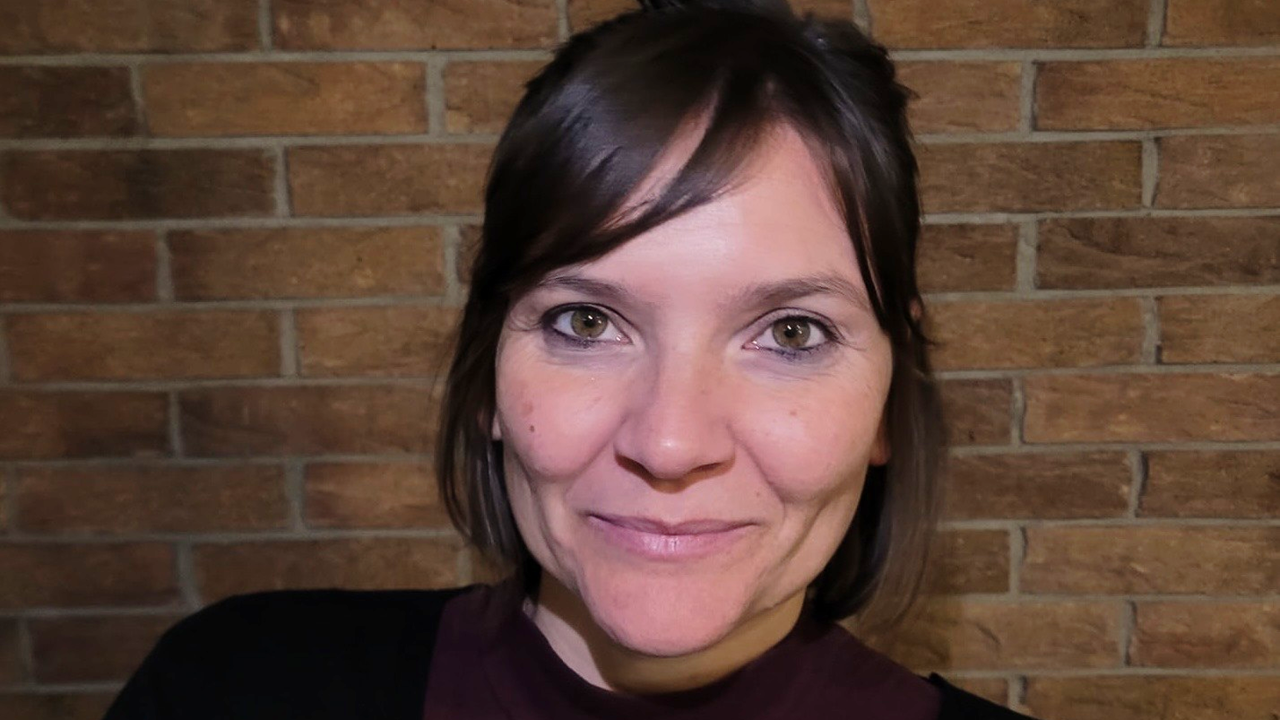
Dr. Aikaterini Eleni Tsantila, Credit: Alexander Gemmer.
What does it take to start a research career in another country? For many early-career researchers, moving abroad is both an exciting opportunity and a major personal challenge.
In the latest episode of “Postcast” - the Podcast for Postdocs at the GGS, Dr. Aikaterini Eleni Tsantila, postdoctoral researcher at the Department of Organization and Human Resource Management at Justus Liebig University Giessen (JLU), shares her personal journey from Greece to Germany. Her research focuses on leadership behaviour and employee objectification in organizations, while her own academic path offers valuable insights into what it means to build an international research career in Germany.
After completing her undergraduate studies in Greece and earning a Master's degree in the United Kingdom, Tsantila began her PhD in Athens during the country's financial crisis. Limited funding opportunities eventually led her to Germany, first as a visiting researcher at Freie Universität Berlin and later to Central Hessen, where she joined JLU as a research associate and continued her academic career.
In the conversation, she discusses the opportunities Germany offers through its strong research infrastructure, international collaborations, funding possibilities and supportive academic environment. At the same time, she speaks openly about the practical and personal challenges of relocating to another country—from navigating bureaucracy and learning German to building a new social network while being far away from family and friends.
The podcast also explores the postdoctoral phase as a crucial stage in an academic career. Dr. Tsantila explains the challenges of the postdoc phase, including developing an independent research profile, building international networks and preparing for future careers both within and beyond academia.
Reflecting on her own experience, she emphasizes the importance of seeking support, making use of mentoring programmes and embracing international mobility as an opportunity for both professional and personal growth.
For researchers considering Germany as their next career destination, her message is clear: stepping outside your comfort zone can open unexpected doors—and the support structures available at German universities can make all the difference