From Nepal and Turkey to Central Hessen
Meet two doctoral researchers who have come to the FCMH for their training and research
A solid academic background in engineering, close collaboration with industry, and the opportunity to work and learn alongside leading experts in their field motivated Manisha and Murat to begin their doctoral studies at the FCMH in Germany. Despite initial challenges such as learning the German language and securing project funding, they are now benefiting from Germany’s supportive and innovative research environment. Learn more about their journey to Germany and watch the video interview to see what defines the research conducted in Professor Boris Keil’s group at THM.
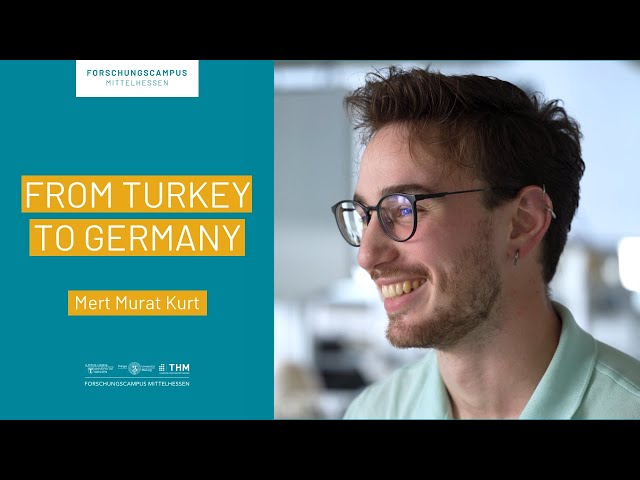
Mert Murat Kurt
Why did you decide to pursue your doctorate in Germany?
After gaining nearly five years of professional experience in industry, I decided to pursue a doctoral degree. During my time at Siemens Healthineers in Istanbul, I became familiar with German culture and work discipline and greatly appreciated the working environment there. Germany’s strong academic foundation in engineering and the natural sciences, along with its close collaboration with industry, were key factors in my decision to pursue a PhD here. In addition, my brother has been living in Germany for a decade and studied automotive engineering, which also played an important role in my decision.
What advantages and challenges come with pursuing a doctorate in Germany?
A doctorate in Germany offers excellent research infrastructure, close cooperation with industry, financial support, and an international academic environment. However, it also requires independent work, self-motivation, and discipline. In addition, learning German may initially be necessary for workshops or discussions, which can be a challenge at the beginning.
Why did you choose to pursue your doctorate specifically at the Technische Hochschule Mittelhessen?
I chose to pursue my doctorate at THM primarily because of my strong interest in developing MRI coils, which led me to Professor Dr. Boris Keil. When I learned that he was looking for a doctoral researcher, I seized the opportunity and moved to Germany. Professor Keil has made internationally recognized contributions to coil research and development and leads one of the best-equipped laboratories in this field, supported by a highly qualified team. After visiting the lab and having an in-depth conversation with him, I was convinced that THM was the ideal place for my doctoral studies.
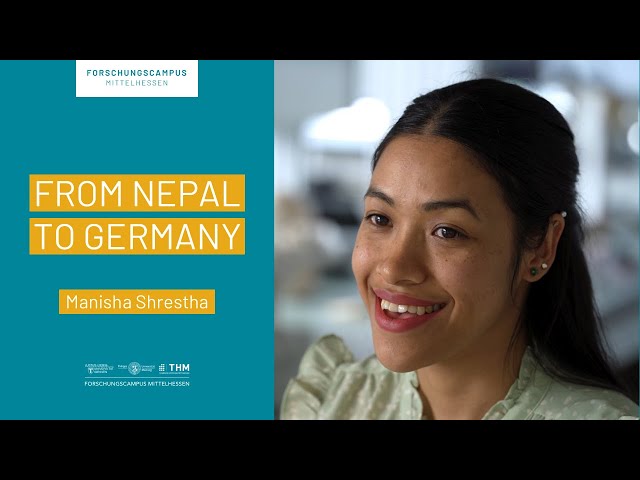
Manisha Shrestha
Why did you decide to pursue your doctorate in Germany?
I originally came to Germany to complete my bachelor’s degree, without initially considering pursuing a doctorate. During my undergraduate studies, I had the opportunity to take a course on electronic circuits taught by Professor Dr. Keil, which opened the door for me to join his research group as a student assistant. Through close collaboration with doctoral researchers on various projects focused on the design and construction of MRI coil hardware, I developed a strong interest in this field. I deepened this passion by writing both my bachelor’s and master’s theses under Professor Keil’s supervision on topics related to MRI coil research and development. By the end of my master’s studies, my enthusiasm for MRI hardware development had grown so much that I decided to pursue a doctorate in this field at THM.
What advantages and challenges come with pursuing a doctorate in Germany?
As a doctoral researcher in Germany, one of the biggest advantages is the freedom to independently pursue my research interests. I have the opportunity to work autonomously on my project while benefiting from modern laboratories and excellent research facilities. Germany also offers world-class universities and research institutions that promote strong networking and collaboration between research groups. One challenge I faced, however, was securing funding for the duration of my doctorate, as financial support can be limited and competitive.
Why did you choose to pursue your doctorate specifically at THM?
My strong interest in MRI hardware development motivated me to continue my research at THM. Working under the supervision of Professor Dr. Boris Keil and being part of his research group provides the ideal environment for me to deepen my expertise and contribute meaningfully to this field.