How interdisciplinary and cross-university teams achieve more
We all know: Innovative ideas emerge where disciplines intersect, where familiar paths are left behind, and where new perspectives are explored. But rarely are the necessary resources ready at hand. With its “Experimentation Spaces” programme, FCMH supports outstanding researchers in developing highly innovative, cross-university projects that bring together expertise from different disciplines, institutions, and types of higher education to best address the key challenges of our time.
The programme supports researchers from FCMH universities in testing new research approaches, explore feasibility, and gain experience with novel methods and equipment. By fostering collaboration across the FCMH partner institutions, the experimentation spaces strengthen interdisciplinary exchange, enable the formation of new research networks, and create fertile ground for creative research.
The EPIC-CAM Project – A Prime Example of Cooperation at the FCMH
As one of the most recent projects which has been selected in the experimentation spaces programme, EPIC-CAM (short for: 3R-compliant CAM model for investigating the effect of the epi-drug guadecitabine using epigenome) not only forms the foundation for groundbreaking new research, it stands as a prime example of interdisciplinary and cross-university cooperation.
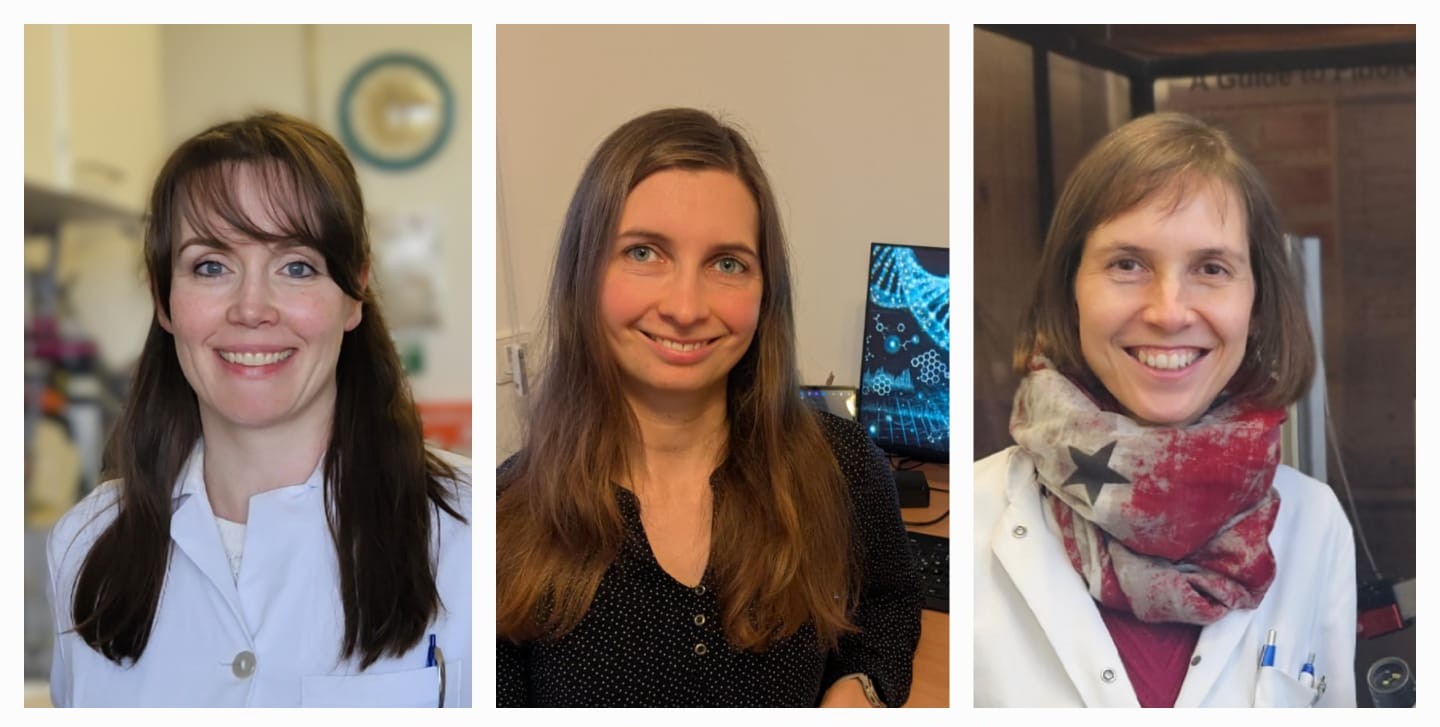
The project brings together a broad range of fields, approaches, and expertise from all three FCMH universities , forming the ideal network of partners for the challenge at hand:
Credit: Antje Richter & Cornelia Sigges
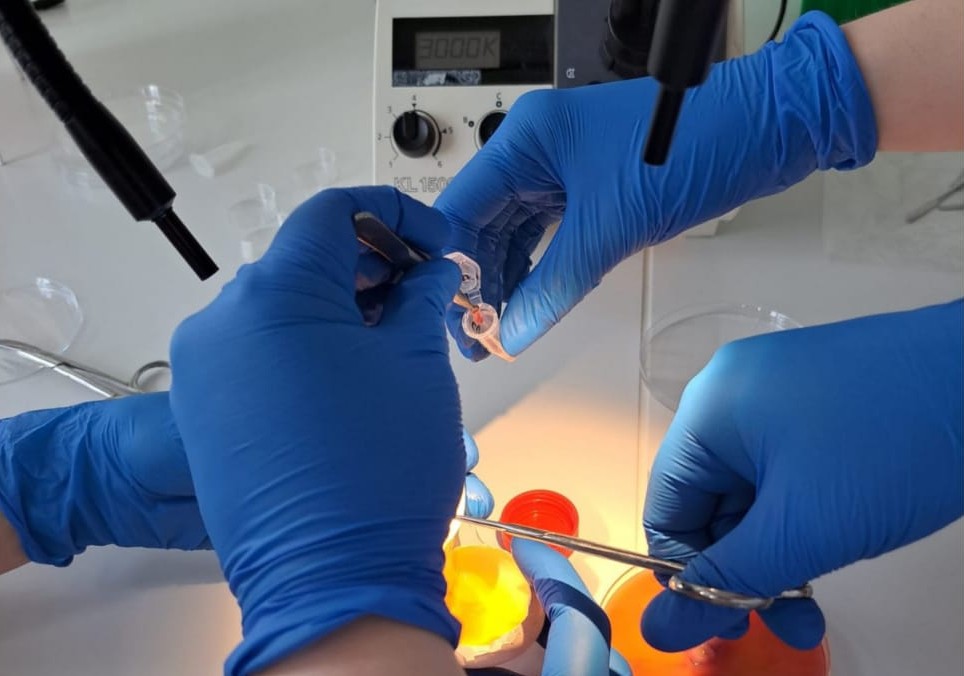
In the EPIC-CAM project, we are developing a new way to investigate epigenetic mechanisms in renal cancer cells by combining an in-ovo tumor model with high-resolution DNA methylation analysis. The project brings together researchers from the three universities of the Research Campus of Central Hessen, who work closely across disciplinary boundaries.
Dr Antje M. Richter at Justus Liebig University Giessen leads the epigenetic analyses and the experimental validation. Prof Dr Cornelia Sigges at THM University of Applied Sciences is responsible for bioinformatic analysis. The in-ovo experiments are carried out at Marburg University under the direction of PD Dr Jarmila Jedelská, where pharmaceutical technology and imaging-based assessment of tumor growth come together. In these three interconnected dimensions, Dr Antje M. Richter notes, "the project also actively involves early-career researchers at all three universities to strengthen research-oriented teaching and offer hands-on training in an interdisciplinary environment." For the researchers involved in the project, the funding is well allocated.
Credit: Antje Richter
Together, we are working toward a scalable platform that will improve how epigenetic changes in tumor cells can be analyzed. The tools and data generated in EPIC-CAM will support our future funding activities and help us continue to expand our collaboration to additional tumor models and further omics technologies.