Being a Postdoc at the FCMH
Meet two of our postdocs and learn why they chose Central Hesse for the next step in their careers
Leading researchers from nearly all academic disciplines, excellent research infrastructure, and tailored institutional support attract early-career scientists to the universities and research institutes of the Research Campus Central Hesse. From an AI-powered chatbot that helps you settle into the region to personalized guidance from dedicated support units for international early-career researchers – there are many reasons to take the next step in your research career here. Read the following interviews with our postdocs to learn more about their research, their reasons for coming to Central Hesse, and how the support offered here makes a real difference.
Dr. Dimitris Voudouris, Institute of Experimental Psychology, JLU
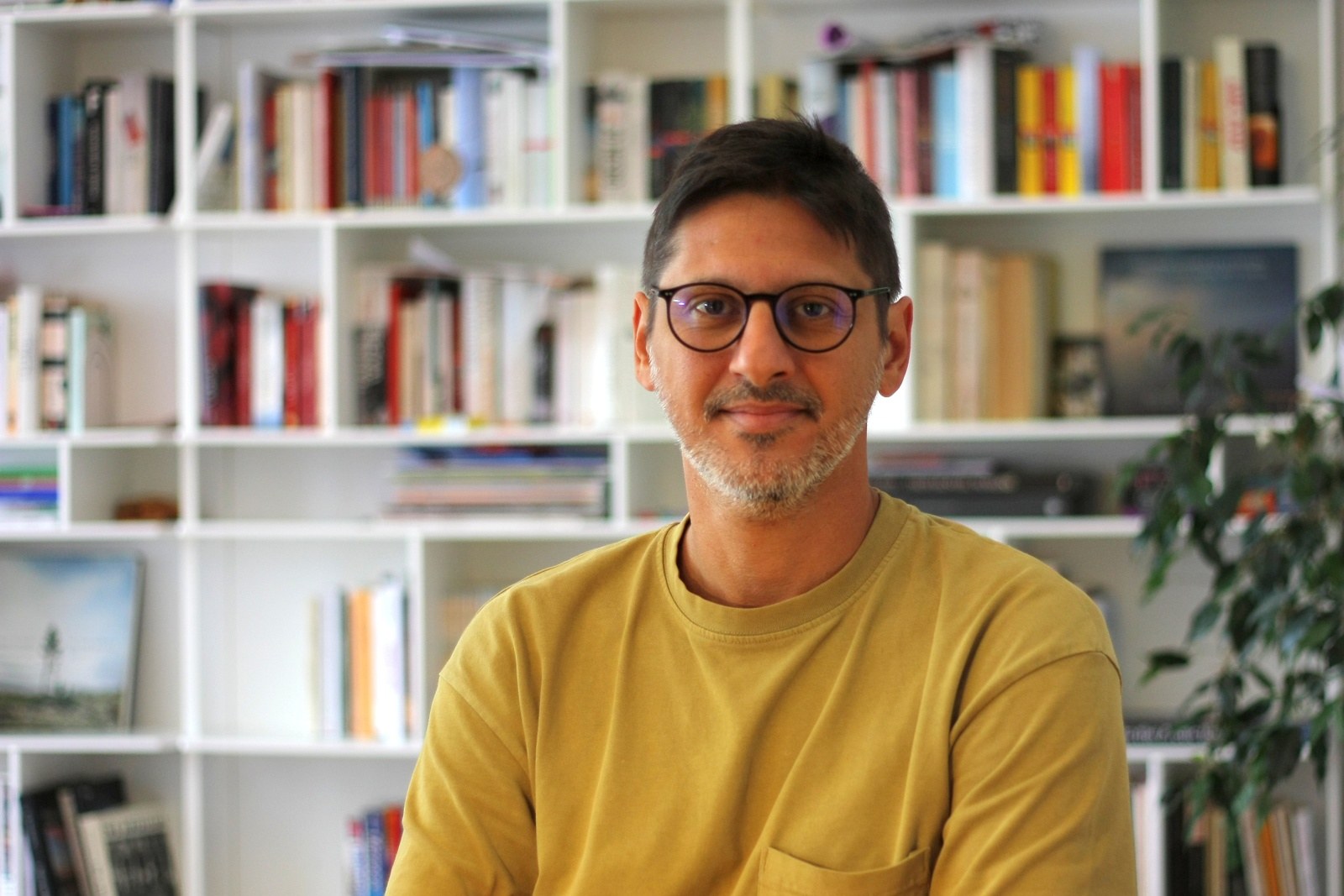
Dimitris Voudouris is a postdoctoral researcher and principal investigator at the Institute of Experimental Psychology at Justus Liebig University Giessen. Learn more about his work and life in Giessen in the interview below.
What are you researching during your postdoc phase?
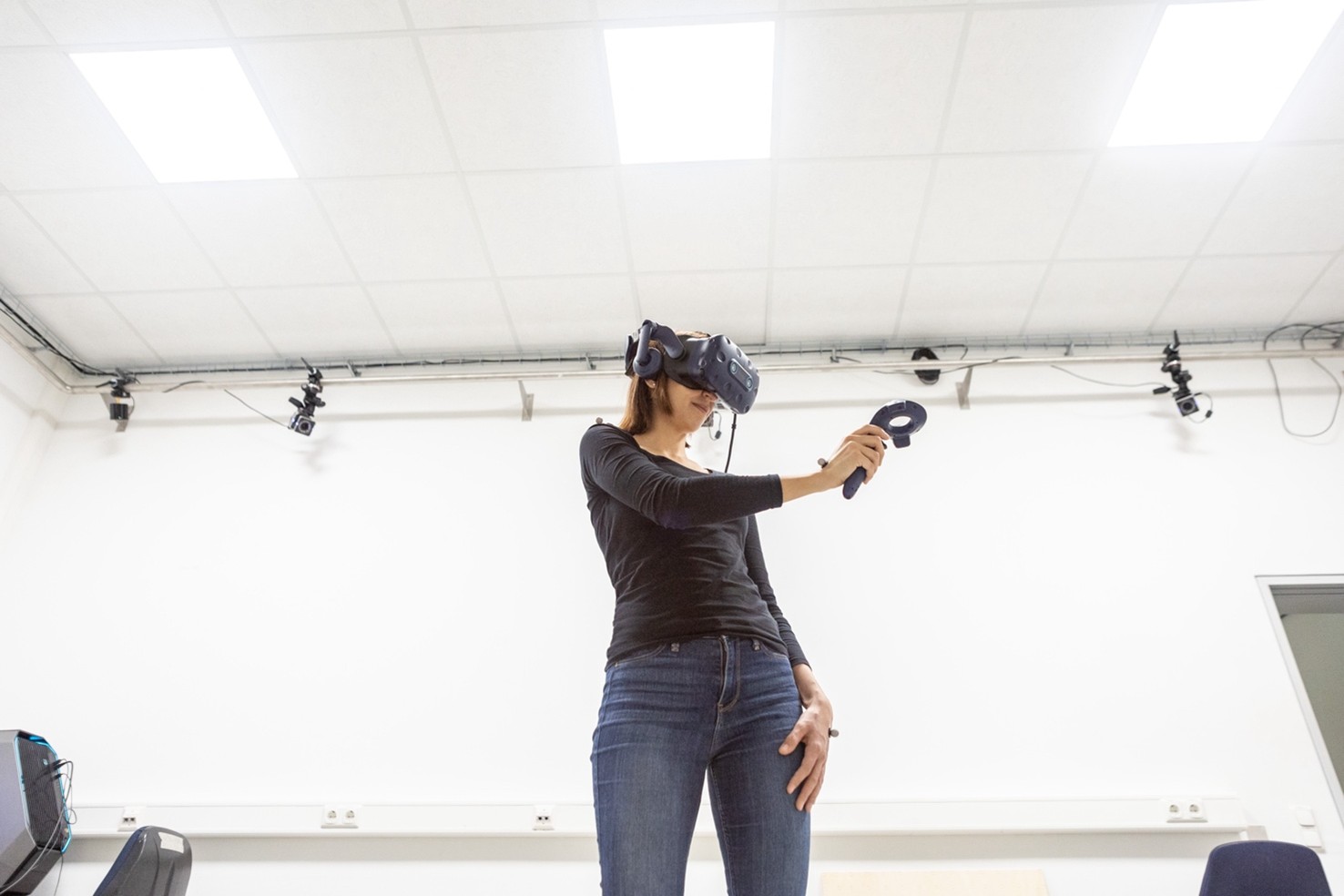
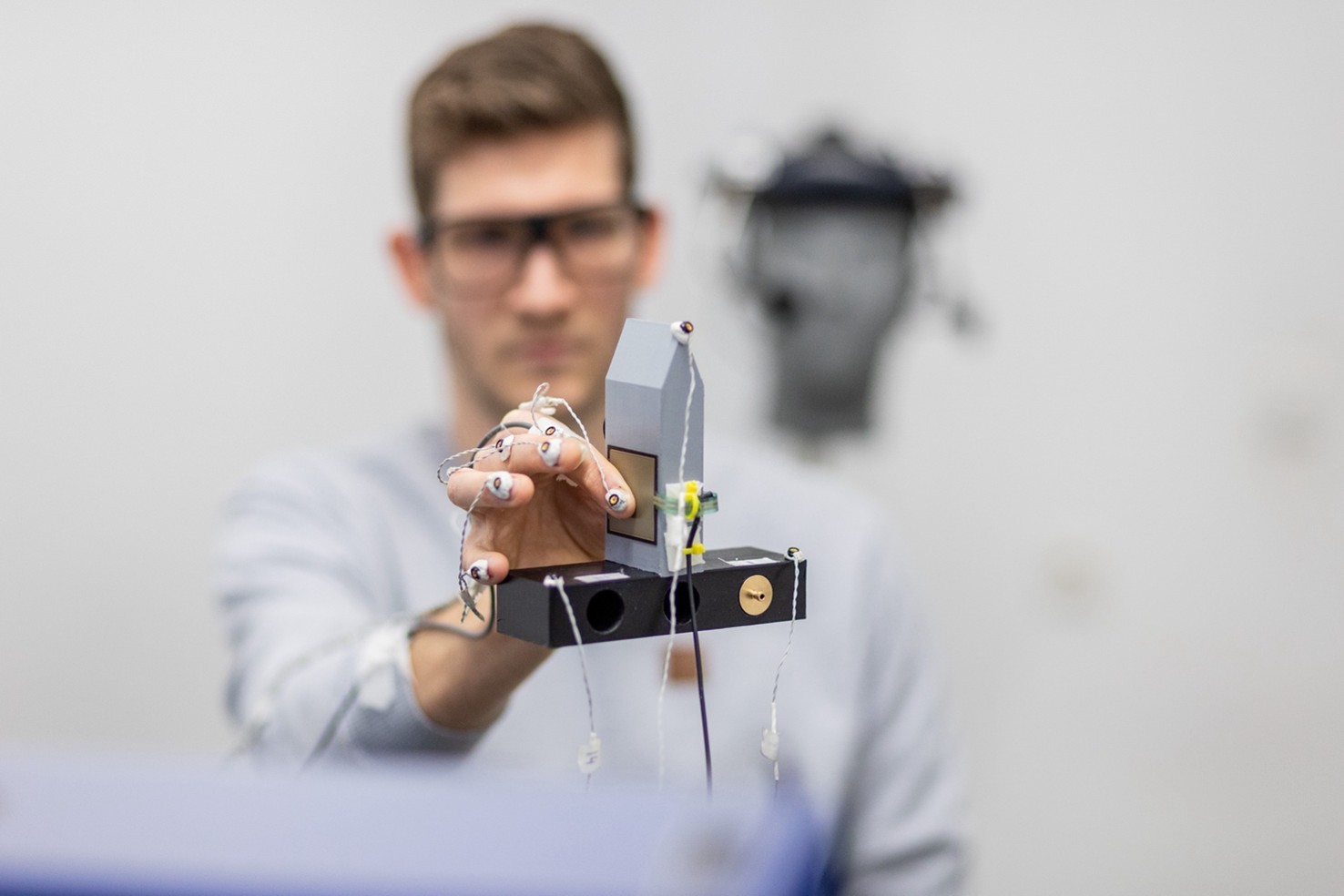
I have a broad interest in how people use their senses – such as vision and touch – to guide their movements and interact with the environment. In my current work, I investigate why these sensorimotor processes vary so widely between individuals and, in particular, how they change throughout the lifespan. To explore this, I conduct behavioral experiments with children, young adults, and older adults, recording eye, head, and whole-body movements during everyday tasks such as reaching, holding, or maintaining balance. I also combine these measurements with psychophysiological methods to understand how sensory signals are perceived and processed during these activities. My ultimate goal is to identify the mechanisms that drive age-related changes in sensorimotor functioning and to understand the role of physiological and cognitive processes in these movements.
Credit: Dimitris Voudouris
In the long term, I aim to determine whether certain movement strategies can help optimize performance – which could advance motor learning, support rehabilitation, and promote healthy aging.
What brought you to Giessen?
Credit: Till Schürmann
I completed my PhD in Amsterdam as part of a large European research consortium that included Justus Liebig University Giessen. During this time, I collaborated with researchers in experimental psychology at JLU and visited both Giessen and Rauischholzhausen Castle. These experiences gave me an initial sense of the strong research environment here. The opportunity to further develop my research interests and academic skills within an excellent department and a supportive environment was the main motivation for my move. I was also drawn to the advantages of a compact city surrounded by nature, the proximity to a metropolitan hub like Frankfurt, and the small step further south – closer to my home.
Of course, moving from a large international city like Amsterdam to Giessen also came with challenges, particularly when it came to administrative processes and day-to-day life. A few years ago, support for non-German speakers was still limited, and navigating the city could be difficult. Over time, however, I have noticed positive developments, such as improved mobility thanks to expanded bike lanes and shared-bike services, which make getting around much more pleasant. This also makes it easier to enjoy the city’s green spaces, such as the historic Botanical Garden and the Old Cemetery.
What do you value about the support available for postdocs at your university?
JLU offers several support services for international and early-career researchers that have positively shaped my experience in the FCMH environment. Informal lunch meetings organized by the GGL (International Giessen Graduate Centre for the Life Sciences) helped me expand my network, while the guest lectures of the GGN (Giessen Graduate Center for Natural Sciences and Psychology) broadened my perspective on related research fields and alternative career paths. The Equal Opportunities Office has also been invaluable in supporting researchers with caregiving responsibilities.
Credit: Till Schürmann
As a member of the transregional Collaborative Research Center (CRC – Cardinal Mechanisms of Perception), I have received extensive support from my mentor and the CRC organization to strengthen my research skills and maintain a healthy work-life balance. Since 2021, I have actively contributed to shaping activities for early-career researchers – from initiating Erasmus+ exchange programs to organizing methodology workshops and coordinating lab visits. All of this strengthens interdisciplinary research skills and fosters collaboration.
Working here is inspiring and enjoyable: it keeps my curiosity alive, supports my personal and professional development in a dynamic environment, and provides a healthy work-life balance. This makes my work particularly rewarding.
Dr. María Gómez-Serrano, Institute for Tumor Immunology, UMR
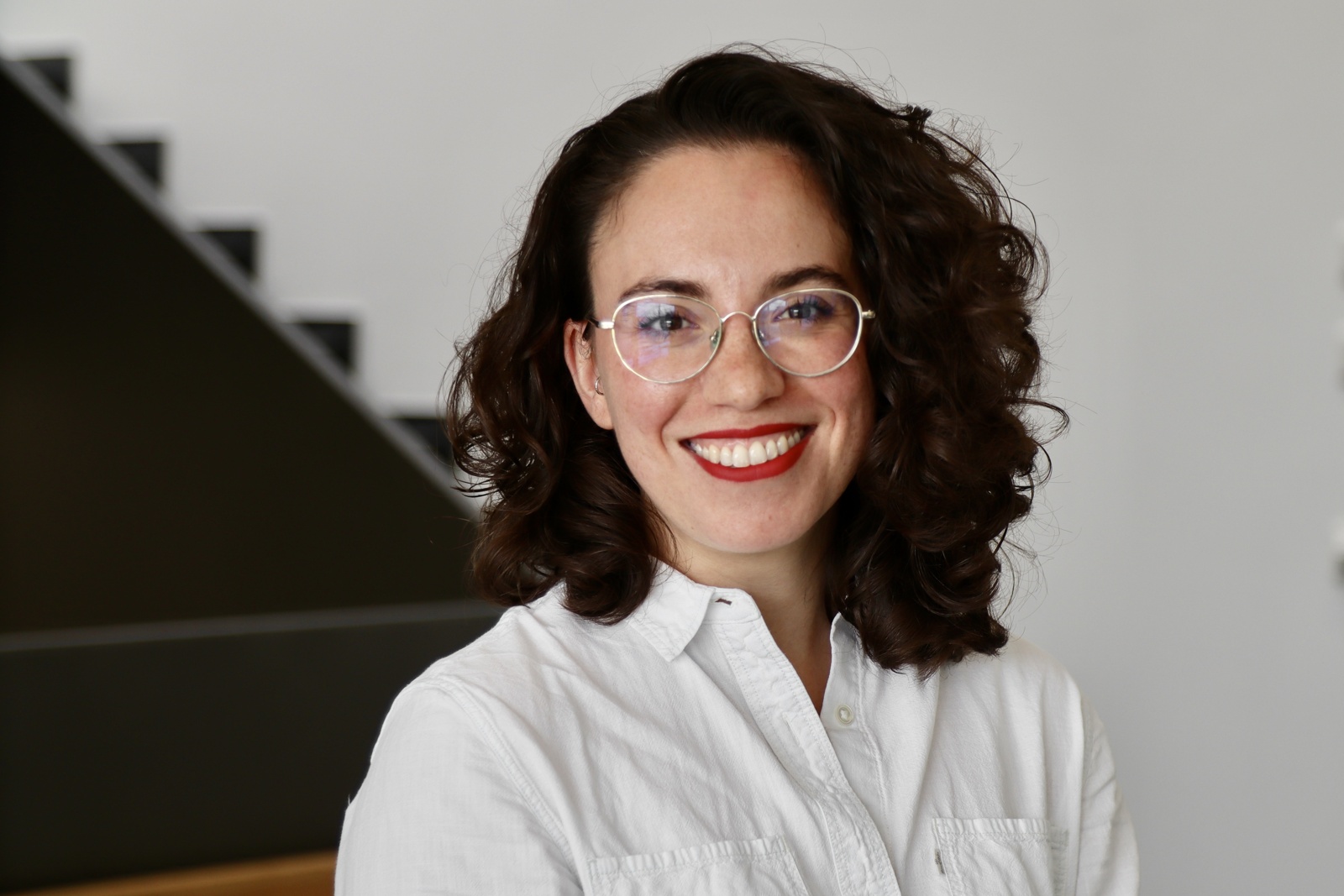
María Gómez-Serrano is a post-doctoral researcher at the Marburg Center for Tumor Biology and Immunology. Learn more about her work and her journey to Central Hessen in the following interview.
What are you researching in your post-doc phase?
Credit: Robin Schmieder
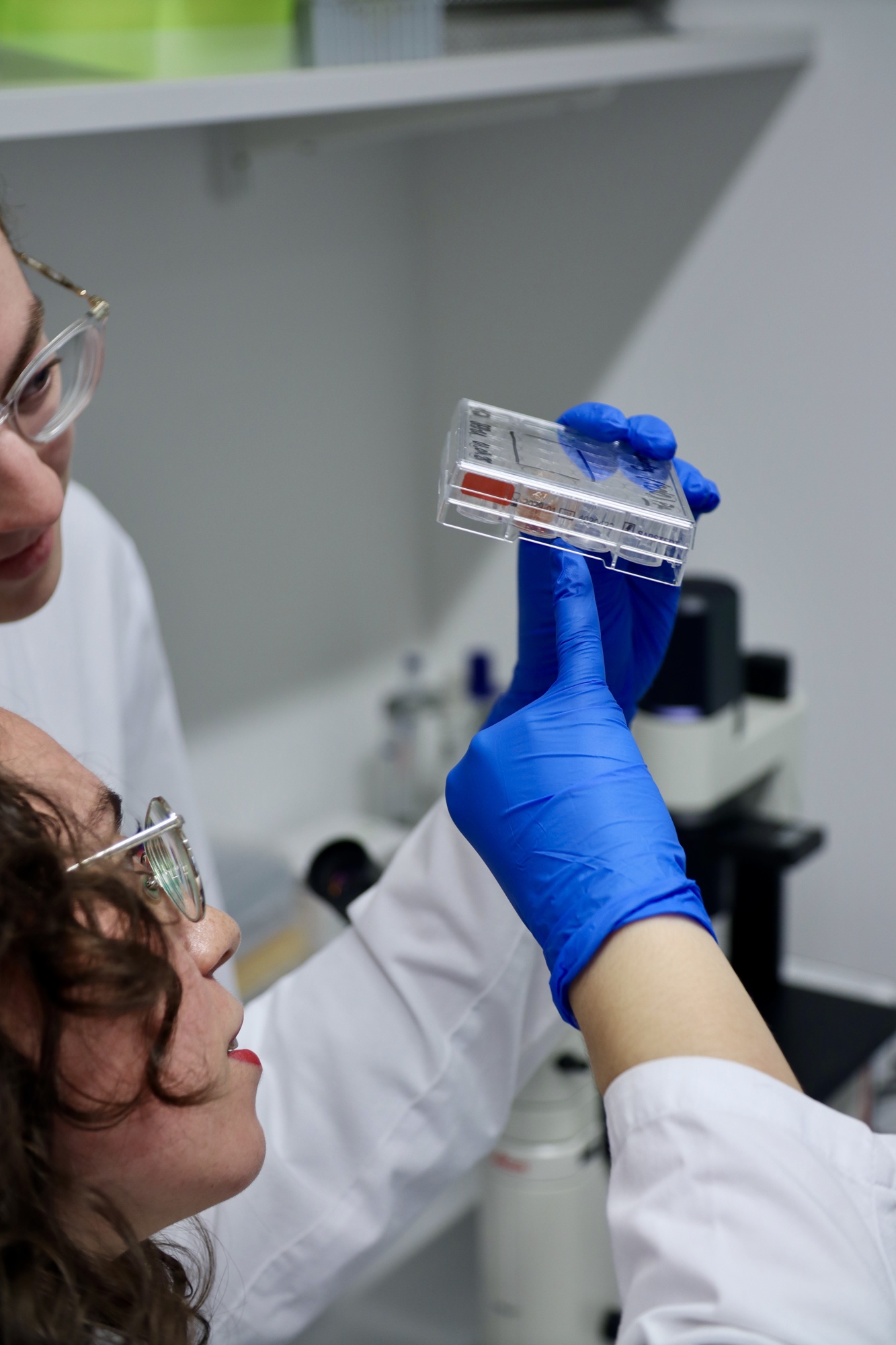
Adipose tissue orchestrates the metabolic homeostasis of the organism and its dysfunction leads to the development of several comorbidities such as type 2 diabetes, cardiovascular disease or even cancer. My current research aims to deepen into the molecular changes suffered by adipocytes and other relevant immune cells of this tissue, such as macrophages, under stress conditions such as obesity or cancer-driven inflammation. Understanding how inflammation impacts the adipocyte phenotype and its derived secretome is key to understanding its crosstalk with target cells.
The current projects of my research group focus on the characterization of the cancer-associated adipocyte (CAA) phenotype within the tumor microenvironment and the impact of this phenotype on the release soluble factors (so-called adipokines) as well as extracellular vesicles (EVs). EVs are nanometer-sized vesicles that are surrounded by a membrane and are used by virtually all cells to exchange signal molecules. We hypothesize that CAA-derived EVs exert a pro-tumorigenic role not only by affecting tumor cell growth and chemoresistance but also by exerting an immunomodulation of the anti-tumor response of natural-killer (NK) cells.
These projects can be developed thanks to the state-of-the-art methodologies provided by the Institute for Tumor Immunology at the UMR, which includes the EV Innovation, Technology and Characterization (EV-iTEC) platform (led by Dr. Christian Preußner).
What did your research focus on before and what led you to Marburg?
During my PhD, I relied on proteomics as high-throughput techniques for the elucidation of the biological changes behind complex pathological conditions such as obesity. This helped me to develop my analytical skills and to understand the importance of the translation of our research to the patients and the society. My time working as a junior postdoc at the Spanish National Cardiovascular Research Center (CNIC-Madrid, Spain) also introduced me to new biological questions, as the role of EVs in cell-communication and their potential use as biomarkers. After two years there, I wanted to push my career forward and look for international opportunities where I could develop a more hypothesis-driven research on the role of adipose tissue in the development of comorbidities.
During my search, I chose Mittelhessen due to its dual-career development opportunities and found the Ovarian Cancer Research Alliance (OvaRA) at UMR, where Prof. Rolf Müller (Translational Oncology group) and Prof. Elke Pogge von Strandmann (Institute for Tumor Immunology) participated. This initiative could synergize my expertise on adipose tissue and proteomics in a new topic area: cancer. At that time, very few references on the topic of adipocyte-derived EVs were available, and this exciting opportunity led me to propose Prof. Müller to ask for my independent research funding to join his group. I was then fascinated by the support received not only from my mentor, but also from the EU-funding and International Offices of the UMR which helped me with my applications and my journey to Germany, respectively, in 2019.
Credit: Robin Schmieder
What do you appreciate about your university’s support for post-docs?
Credit: Robin Schmieder
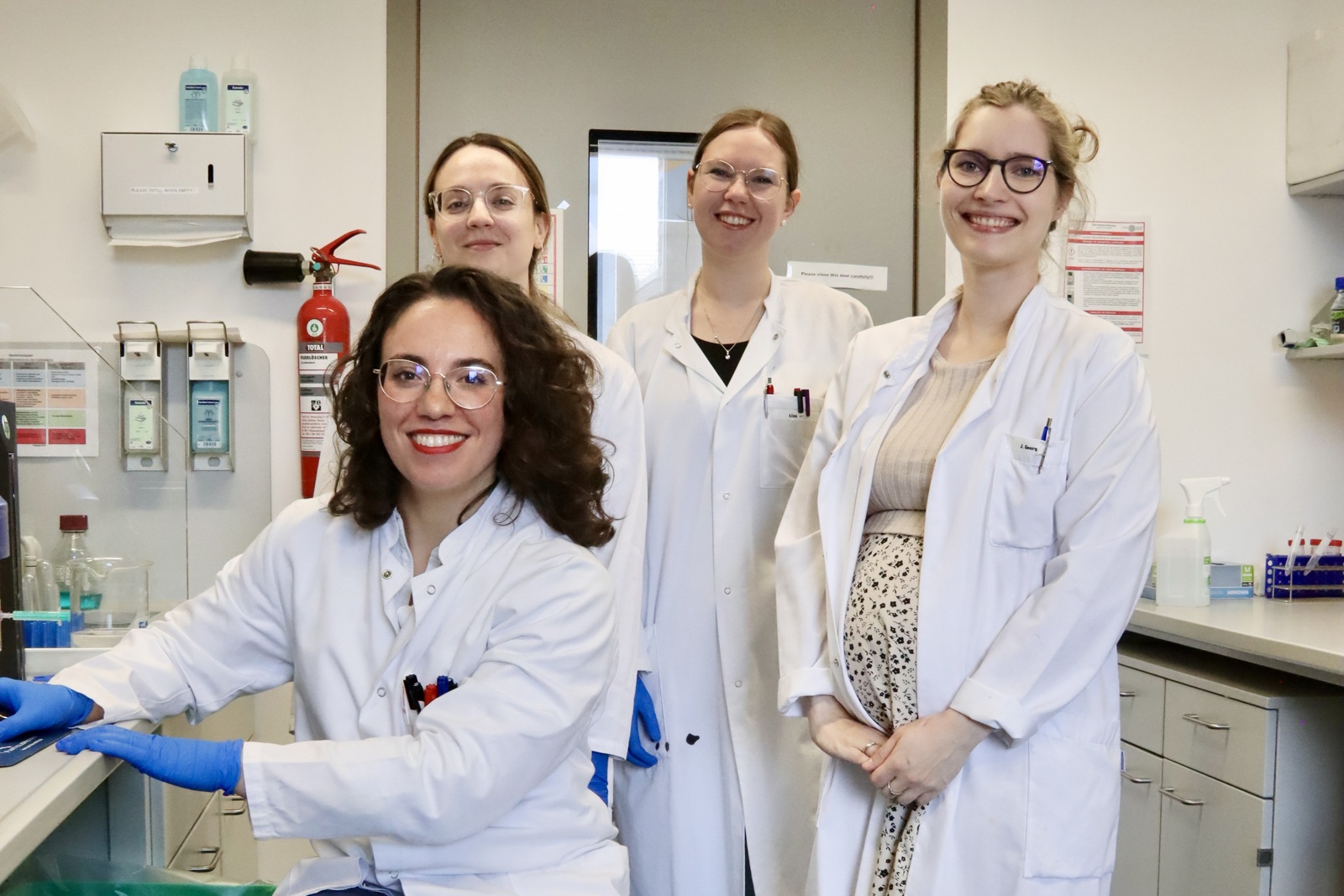
The support from the UMR was fantastic even before starting my journey. I applied to a Spanish postdoctoral research program (Ramón Areces Foundation) on my own, but also to the EU-Funded MSCA program, where the EU-funding Office at the UMR gave me full support and advice. Once granted, The Welcome Center and the International Office helped me with all my documentation and arrival and invited me to several events, fostering not only my integration (e.g., language courses) but also my networking. In 2020, COVID-19 changed the plans for all of us, including my initial project and mid-term goals. Thanks to the graduate center GRK2573, I found the opportunity to re-shape and extend my research, participating as junior PI since 2020. The support of the GRK2573 and Prof. Pogge von Strandmann led me to get my own funding on this frame, allowing me to supervise for my first PhD student.
Also, the GRK2573 has supported my training on the EMF Certificate Program “Designing and Managing Research Projects” organized by the Marburg Research Academy (MARA). The role of MARA has been pivotal in the development of my postdoctoral career, not only thanks to the courses offered but also providing me support for science communication event organization, coaching, as well as networking opportunities through other initiatives like the Young Faculty Network (YFN). Of note, this network consists of researchers not only from the UMR but also JLU, and has connected me with partners for interuniversity collaborative projects currently in preparation. Lastly, I would like to highlight the commitment that the UMR has with dual-career and family-friendly development, fostering a real, international atmosphere where everybody is welcomed.
Are You Interested in Coming to Central Hessen or Do You Want to Know What FCMH Can Offer You?