- Home
- /
- Research
- /
- Excellence Strategy
- /
- Cardio-Pulmonary Institute (CPI)
Cardio-Pulmonary Institute (CPI)
Worldwide, diseases of the lungs and cardiovascular system are the most common causes of death. The Cardio-Pulmonary Institute (CPI) Cluster of Excellence , involving Justus Liebig University Giessen (JLU), Goethe University Frankfurt (GUF), and the Max Planck Institute for Heart and Lung Research in Bad Nauheim, investigates the molecular biological processes underlying the functioning of these organs and their failure in diseases. To achieve this, CPI researchers develop cross-university model systems and combine the results with patient data to discover new therapeutic approaches.
The Excellence Initiative of the German federal and state governments has been continuously funding the cluster, initially known as the Excellence Cluster Cardio-Pulmonary System (ECCPS), since 2006, and it has once again succeeded. Lung researcher Prof Dr Dr med Susanne Herold from Giessen and heart researcher Prof Dr Dr h.c. Stefanie Dimmeler from Frankfurt (GUF) lead CPI.
We are extremely pleased with this renewed success in the Excellence Strategy. This enables us to discover and clinically develop new therapeutic approaches for complex heart and lung diseases such as those following an infection. With the continuation of funding, innovative model systems can be developed that address increasingly complex questions.
Prof Dr Dr med Susanne Herold, Spokesperson, Justus Liebig University Giessen
With CPI 2.0, the cluster is addressing new challenges in heart–lung research associated with demographic change, emerging risk factors, and comorbidities. Under the motto ‘Precision Biology Drives Precision Medicine’, heart and lung diseases and their molecular causes are being explored in six research areas called Discovery Areas, with the aim of finding therapeutic options. CPI 2.0 will introduce a new research field that focuses on the complex dynamics between cardiac muscle, pulmonary vessels, and innervation. Additional overarching thematic areas pursue an integrative multidisciplinary approach. Translational and technological platforms, which connect basic and clinical research on various levels such as disease model development, data integration, and clinical trials, support the research areas.
Prof. Stefanie Dimmeler emphasizes, “This brings us significantly closer to our vision of improving the prognosis of heart and lung diseases through innovative diagnostic and therapeutic options, or even preventing their occurrence.”
Not only do future medical challenges in heart–lung research take center stage in CPI 2.0, but also the training of tomorrow's scientists who will need to address these challenges. A focused and sustainable junior research programme will prepare the next generation for these tasks.
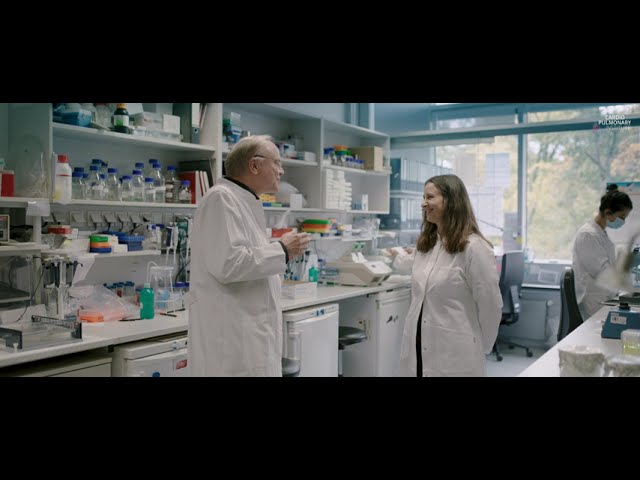
- Spokespersons: Prof Dr Dr med Susanne Herold (Justus Liebig University Giessen), Prof Dr Dr h.c. Stefanie Dimmeler (Goethe University Frankfurt)
- Participating Institutions: Justus Liebig University Giessen, Goethe University Frankfurt, Max Planck Institute for Heart and Lung Research Bad Nauheim
- Research Focus: Molecular mechanisms of heart and lung diseases and the development of new therapeutic approaches through interdisciplinary model systems and translational research. The cluster is part of JLU's focus area Cardiopulmonary System.