- Home
- /
- Transfer
- /
- Communicate and Interact -- The Interaction Hub
- /
- Interaction Forum
Interaction Forum
Hear and share what works.
With the "Interaction Forum" event series, we promote cross-university exchange and create spaces where experiences are shared and new ideas are developed. Here, you’ll learn about tried-and-tested structures, formats, and initiatives and gain inspiration for your work from best-practice examples.
The Interaction Forums are aimed at science managers, research coordinators, employees of media offices and university communication departments, as well as researchers who wish to make their projects more visible and build stronger networks.
Interaction Forum Fall 2024 – Kick-Off of the Interaction Forum Series
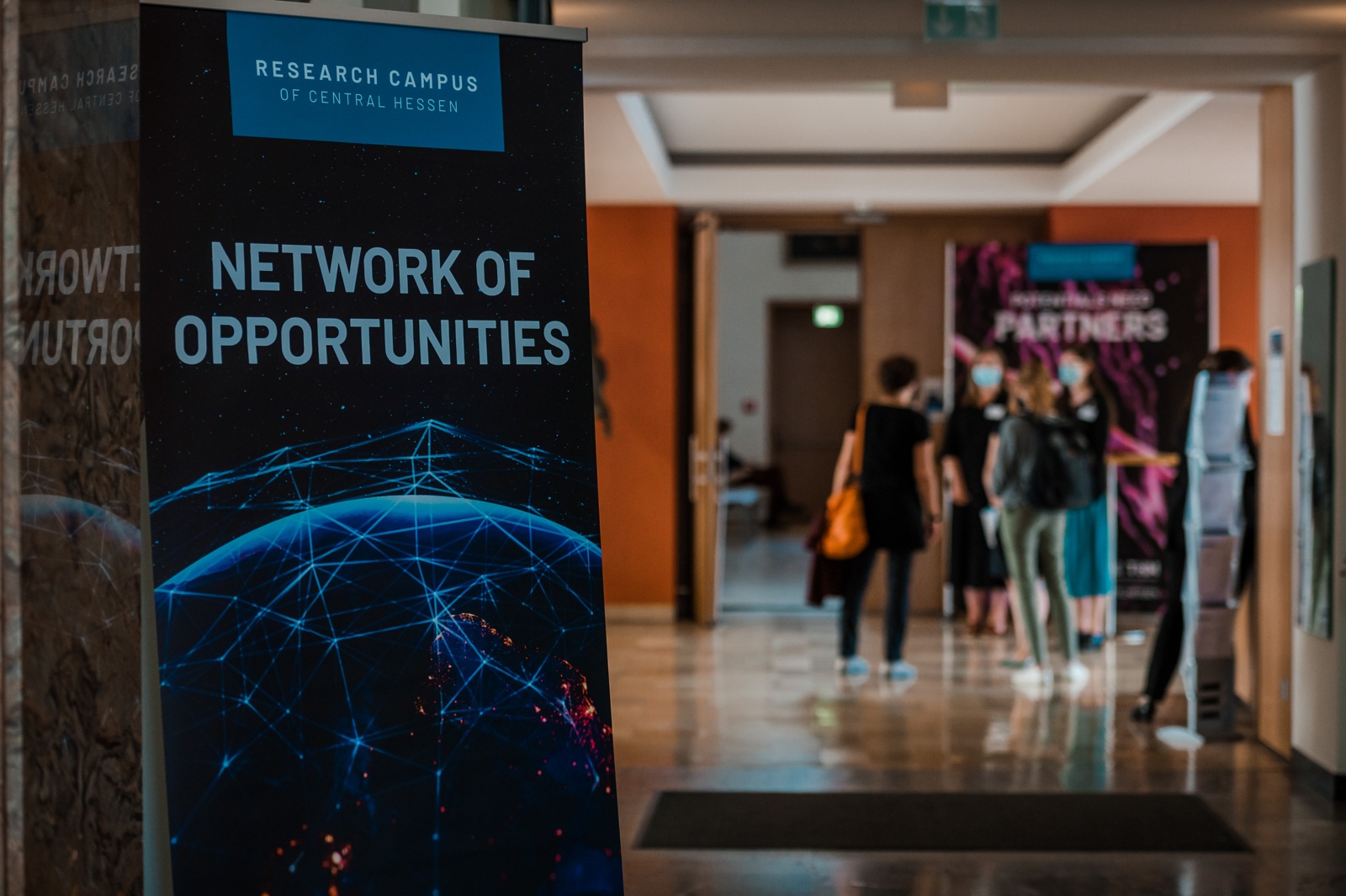
Photo Credit: Katrina Friese
With the first interaction forum, we laid the foundation for exchange among researchers, science managers who communicate research results and science, and staff members from press and university communication departments. The interaction forums are an exchange platform with the goal of bringing together best practices, discussing topics that concern science communicators at our universities, and sharing ideas.
The kick-off was divided into an activating input and open workshops in world café format.
Content and Objectives of the Input Sessions:
Overview of current communication and research marketing formats from the press, communication, marketing and public relations departments of all three FCMH universities
Sharing and documenting best practices and lessons learned from exemplary cross-university network projects as well as central scientific institutions:
- Project "Science Meets Media" (Martin Schäfer, UMR)
- Copernico (Felix Köther and Dr. Antje Johanning-Radžienė; Herder Institute for Historical East Central European Research)
- Research Information System (Dr. Christina Zinecker, THM)
Workshops
Workshops in world café format aim to create lively discussions in small, rotating group chats where each participant contributes their own best practices in science communication and research marketing while learning from the perspectives of others. A moderator documents the contributions. This creates shared impulses for new communication and marketing formats and provides a foundation for implementing new, practice-oriented formats or conducting further exchange rounds.
The topics at the kick-off were:
- Social Media
- Content Partnerships and Synergies
- Podcasts
Interaction Forum Fall 2025 – Social Media in Science Communication
How do universities strategically use social media for science communication? And how can researchers become active themselves? The FCMH interaction forum on social media addressed these questions with representatives from all three member universities.
After short presentations on the social media activities of university communications, the content partnership with "Research in Germany," and inspiring practical examples from science, participants worked in two workshops on central challenges: How can work on multiple platforms be managed efficiently? And how do I develop a coherent social media strategy for my project or my group?
What the presenters take from their work and what concrete tips they have for other researchers is summarized in here:
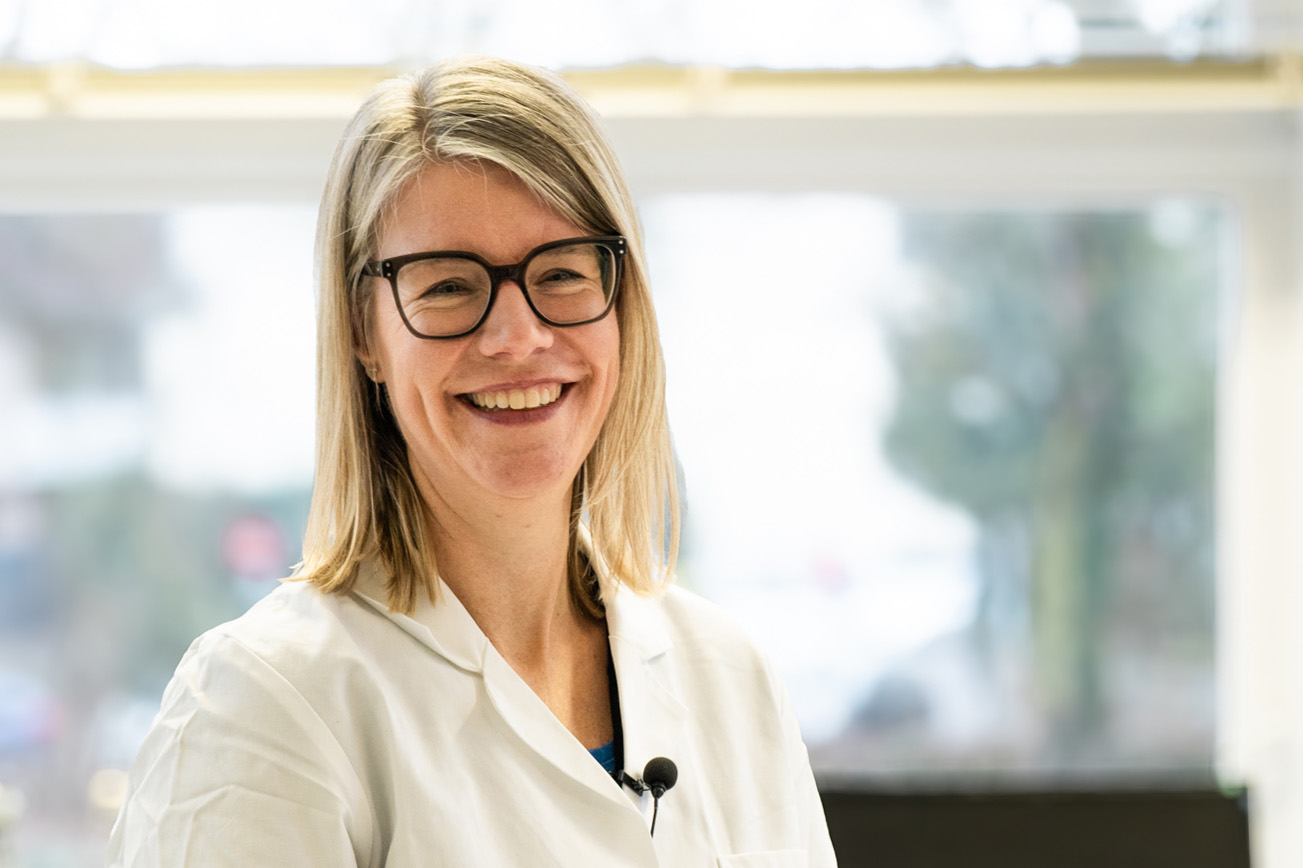
Photo Credit: Jessica Reuther
Prof. Dr. Anika Wagner is a professor of nutrition and the immune system at the Institute for Nutritional Sciences at Justus Liebig University Giessen. In addition to her research on food components with regard to health-promoting and immunomodulating effects, she educates on Instagram as @prof_nutritionista about myths and facts about nutrition.
"My motivation for science communication on social media is to provide scientifically sound nutritional content and thus counter the many false claims that circulate there, particularly on the topic of nutrition. I try to take something out of the 'ivory tower university' and provide insights into our research. If people question things based on this or also try something new, that's successful science communication for me. My tip for science communication: Just get started..."
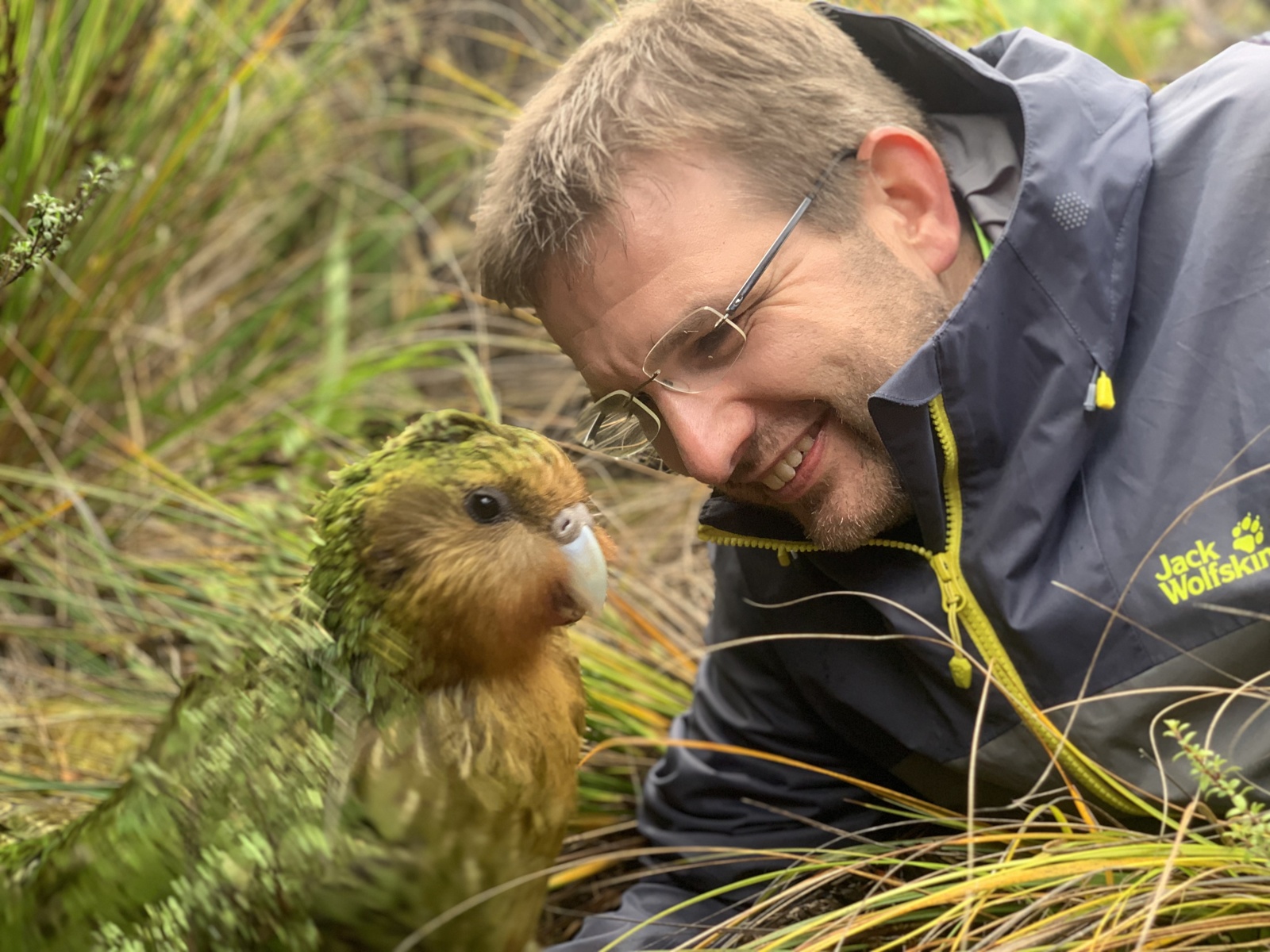
Photo Credit: Private
Prof. Dr. Michael Lierz is head and managing director of the Clinic for Birds, Reptiles, Amphibians and Fish at Justus Liebig University Giessen. On Instagram, he is active as @wildlife_prof and shares impressive insights into his work as a veterinarian, conservationist and researcher.
"On the one hand, it's important that researchers and their results are perceived by the general public and that misinformation and belief are countered with facts. On the other hand, young people who have the potential for science are reached earlier and better this way. For me, science communication is successful when I can inspire young people about my field and science. My tip for science communication: Be authentic, don't follow any trends, and don't let yourself be swept along by the mainstream."
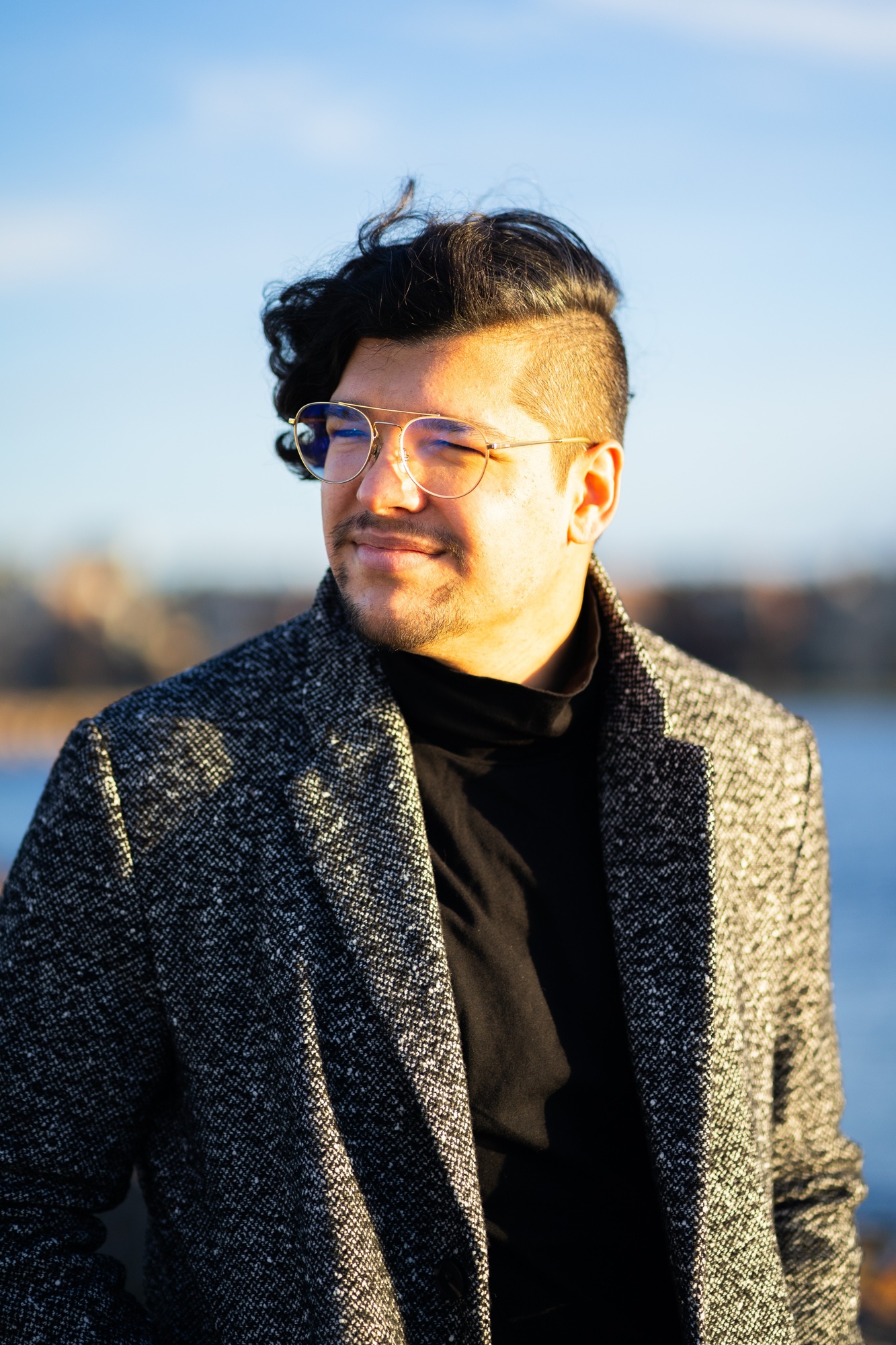
Photo Credit: Private
Dr. Axel Langner completed his doctorate at Justus Liebig University Giessen and is now working as a science communicator. During his research activities, he started science communication on social media on the side (Instagram: @wissenschafft.by.axel) to strengthen scientific education and trust in science.
"The relevance of science communication becomes clear when we observe science-skeptical groups and movements that question fact-based information and scientific findings. This leads to a threat to our shared knowledge base and a shift in societal rationalities. Although political parties, companies or non-governmental organizations also communicate about science, we cannot leave the field to them, since it often happens that their own goals are pursued and scientific topics are popularized, instrumentalized or taken out of context."
Interaction Forum Fall 2025 -- Science Communication in Joint Research Proposals
The increasing importance of science communication in funding applications over the past decade served as the backdrop for the event. Both the EU, DFG, BMFTR, and DLR now evaluate communication measures—either as part of the evaluation process or explicitly as a funding criterion. A compelling communication concept can not only potentially improve project approval chances but also enhances visibility and highlights the societal relevance of one’s research. However, this also presents a challenge for applicants, whose core focus is rarely strategic science communication. For this reason, we invited participants for networking and exchange.
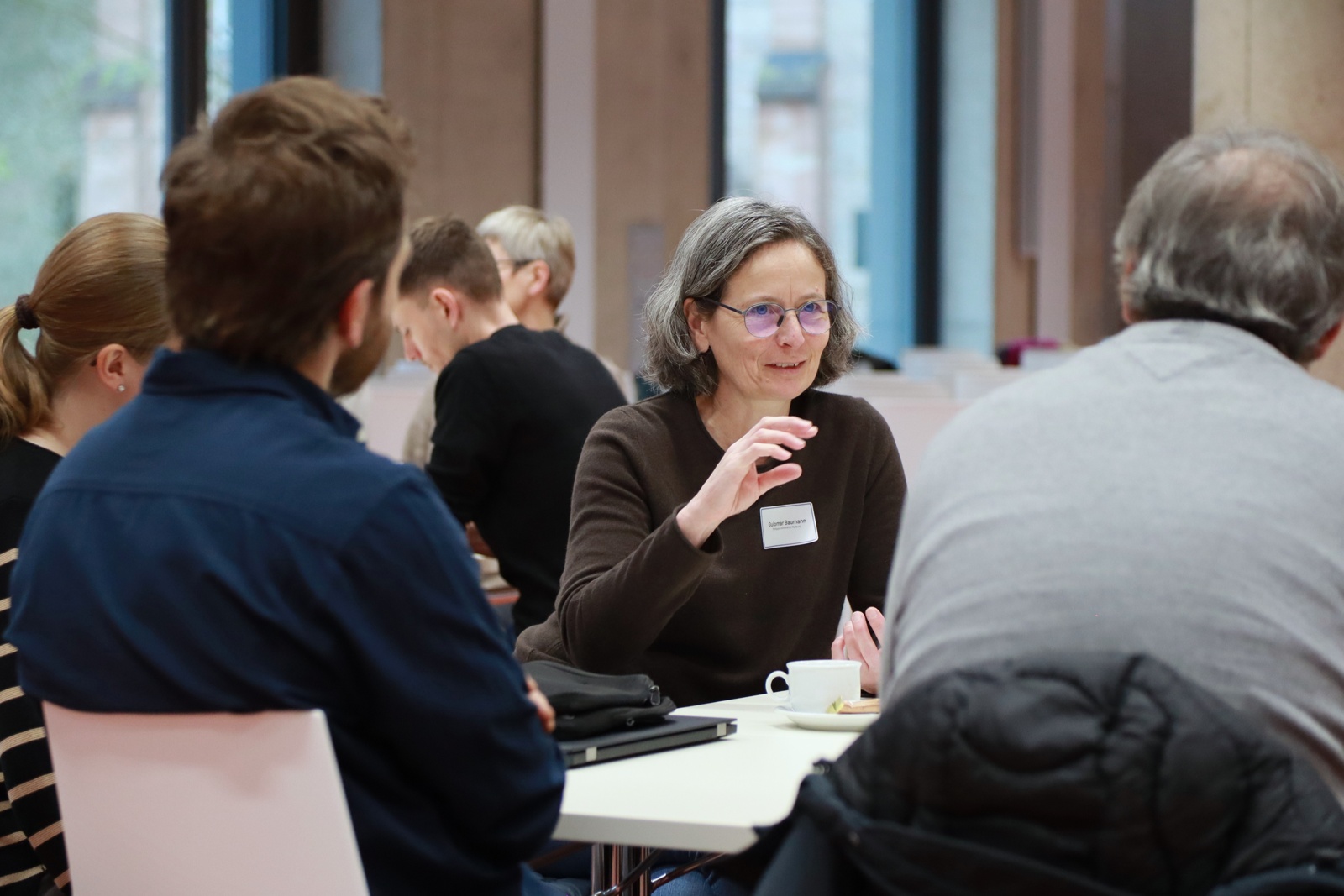
Credit: Robin Schmieder
"In the end, the perfect fit wins—not the most elaborate format or the grandest project."
Dr. Ricarda Matheus, Programme Director for Collaborative Research Centers (SFB) at the German Research Foundation (DFG), shared valuable insights in a hybrid keynote on strategically integrating science communication into collaborative research projects. From the perspective of funding agencies, she explained expectations for fundable science communication and the relevant evaluation criteria of the DFG. Additionally, she presented innovative and successful concepts from SFBs and Transregio Research Groups (TRRs), as well as the opportunities and challenges of implementing this in large research networks.
Do's & Don’ts for Science Communication Proposal
After the keynote, participants from all three FCMH universities collaboratively developed key dos and don'ts for effective science communication. These emphasize the importance of realistic, well-thought-out initiatives with clearly defined target audiences and resources. The discussion underlined that successful science communication thrives on collaboration, clarity, and the courage to address challenges.
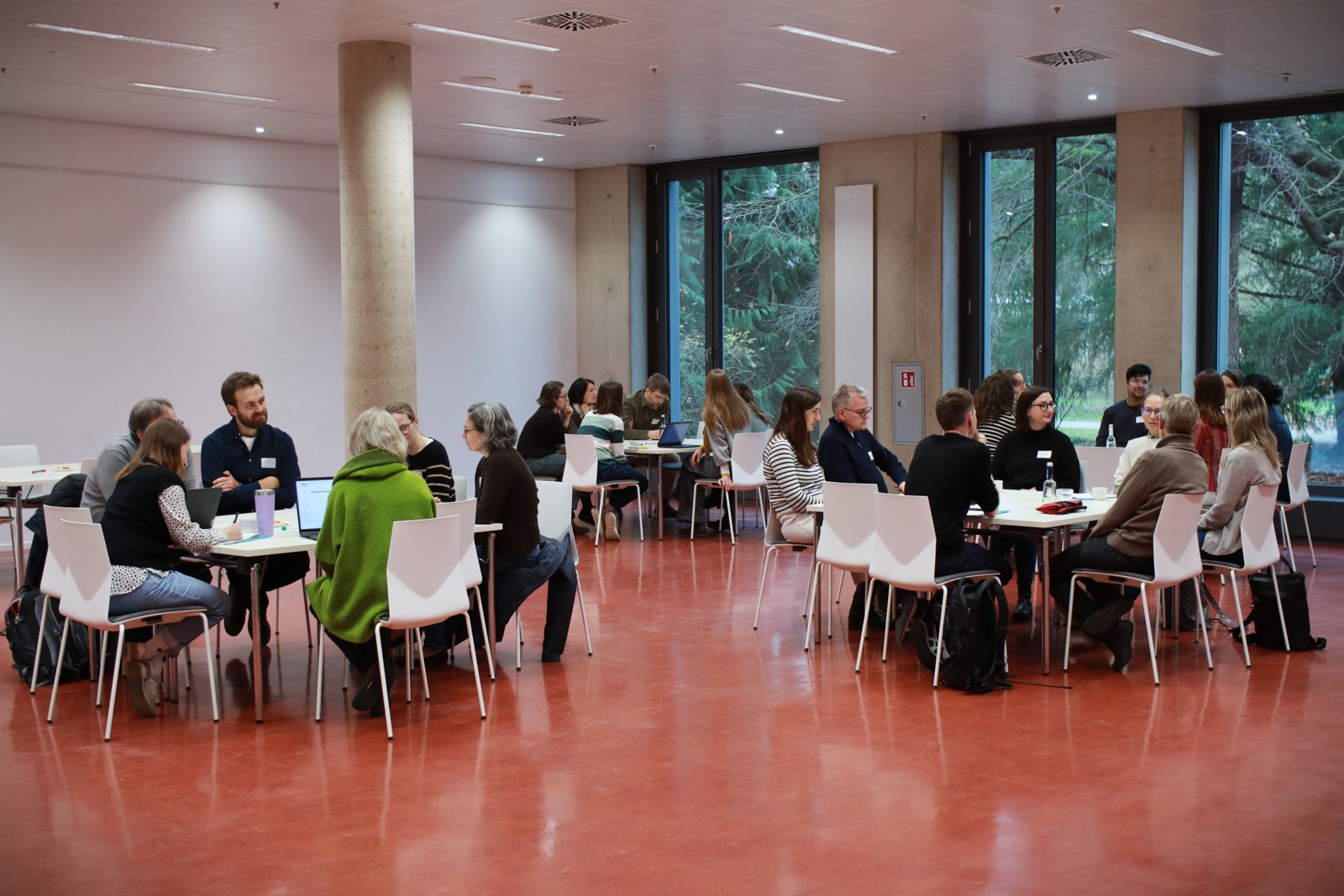
Credit: Robin Schmieder
Interaction Forum Spring 2026 – Research, Network, Expertise: LinkedIn as a Strategic Tool for Researchers
The concluding FCMH interaction forum on May 27, 2026 addressed the question of how researchers and science communicators can optimally use LinkedIn for their visibility and career development. LinkedIn trainer Sanja Ketterer introduced participants from the three member universities with a keynote on LinkedIn essentials, highlighting not only classical science communication but especially the strategic use of the platform for thought leadership and networking. The interaction forum showed: LinkedIn can be a valuable tool for scientists for networking, visibility and career development – if used strategically and authentically.
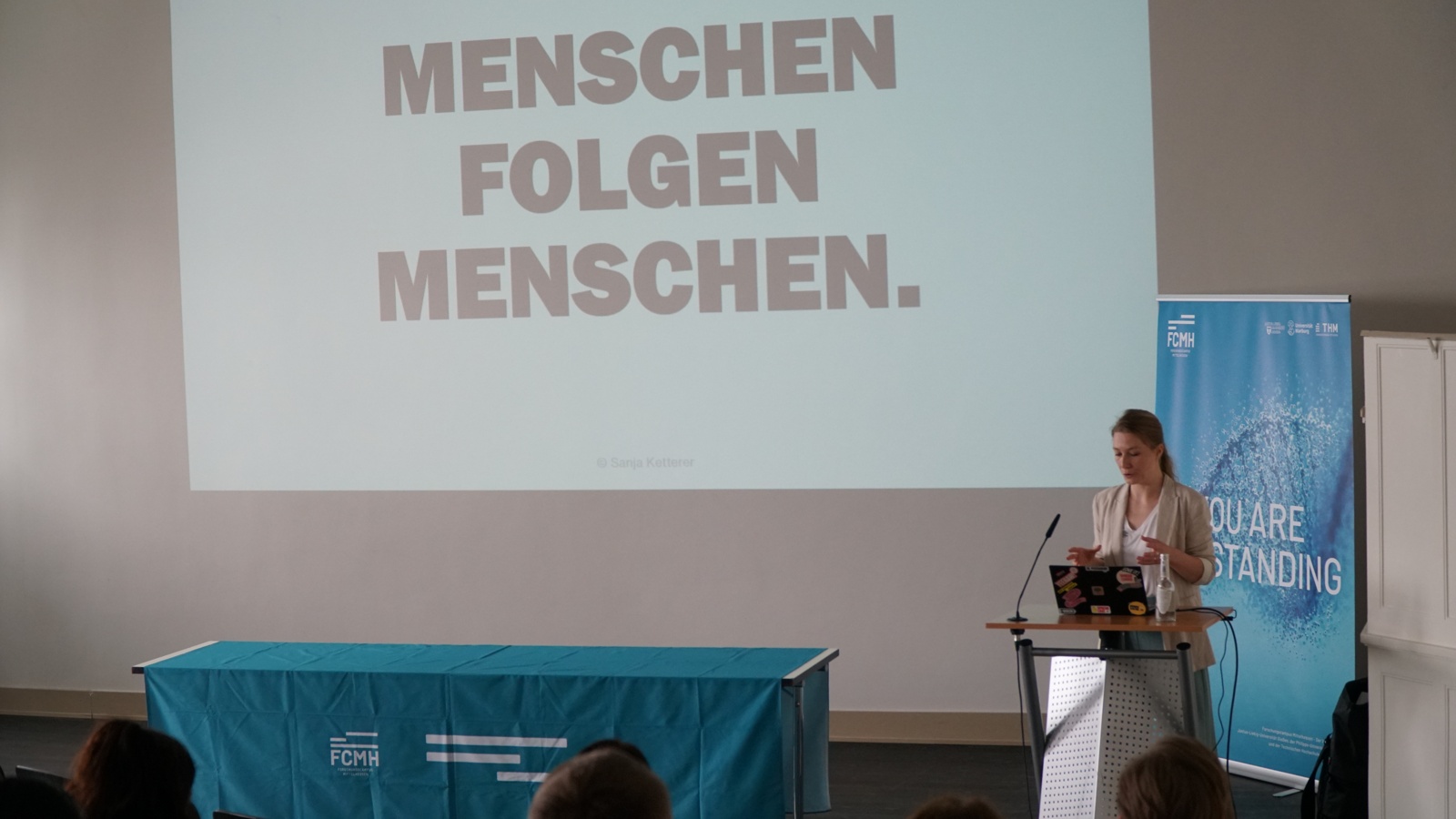
Photo Credit: Lena Velten
Take-Home Messages from the Keynote
People follow People: Success on LinkedIn depends on the interplay of actively showcasing yourself through posts, genuine network interaction and a convincing profile. Authentic, curious interaction is key.
Formats Must Fit: Rather than following guidelines, researchers should develop formats that suit them – everything from low-threshold insights into research daily life to interesting curiosities to scientific processing of publications is possible.
Use Synergies: Collaboration between personal profiles and institutional accounts creates additional reach and strengthens communication impact.
Workshops on Profile Optimization, Networking and Format Development
In the subsequent working phase on profile optimization, networking and format development, participants worked out concrete solutions in small groups for their specific challenges. The focus was on open exchange of best-practice examples: Which profiles work particularly well? How do I meaningfully build a network? What content formats fit my goals and my work reality? Sanja Ketterer supported the groups through her on-site presence with individual tips and impulses. The results of these work phases were incorporated into a final discussion where key findings were documented and opportunities for sustainable integration of LinkedIn into science communication practice were identified.
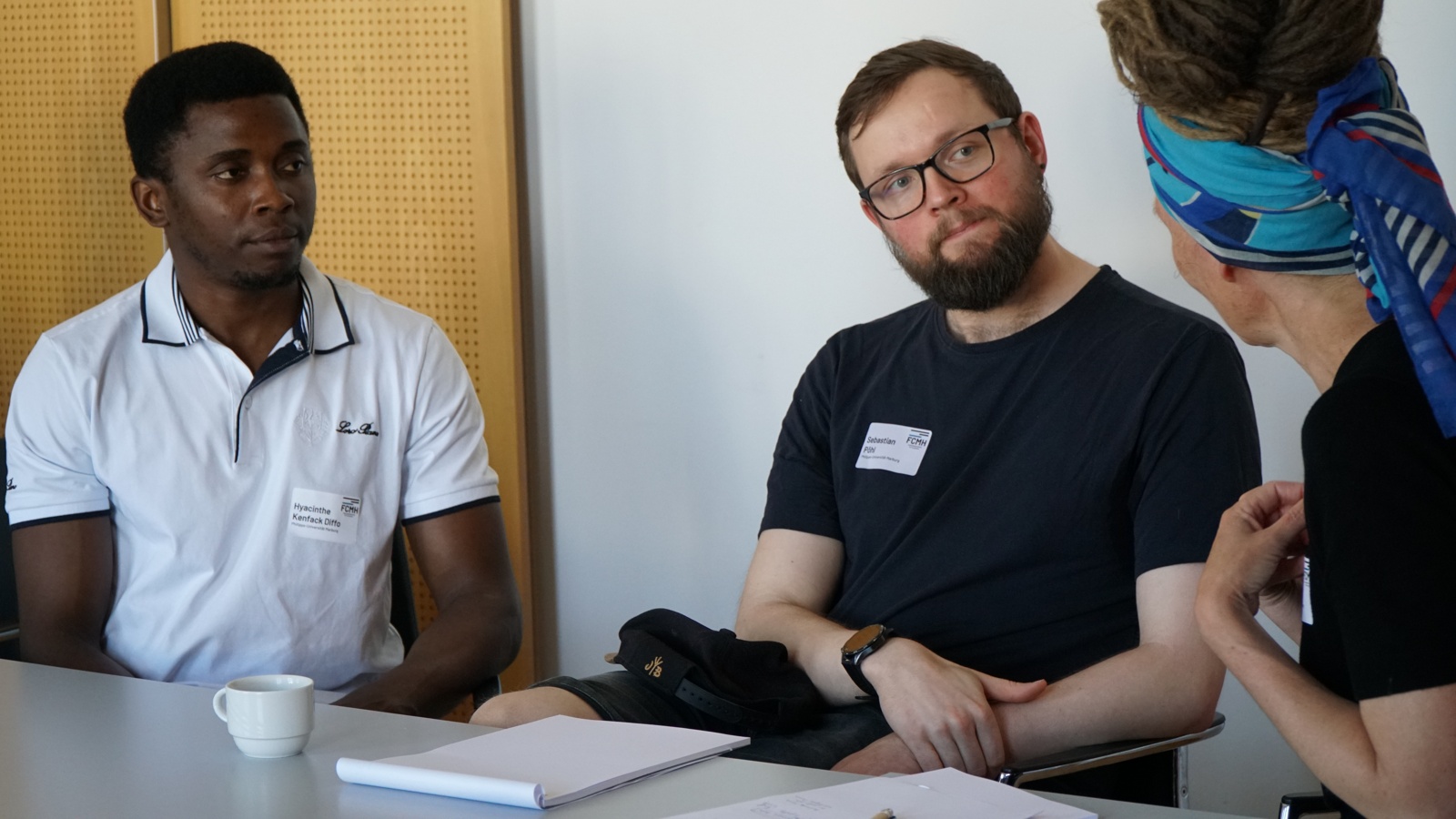
Photo Credit: Lena Velten
FCMH-Newsletter
Do you have suggestions for future topics or want to exchage ideas?
Subscribe to the newsletter