Science Meets Society in the CIM Hub Marburg: New Spaces for Transdisciplinary Research and Sustainability Transformation
Prof. Dr. Simone Strambach
Copyright: CIM-Hub
Addressing the complex challenges associated with the Sustainable Development Goals (SDGs), often described as ‘wicked problems’, requires holistic societal change that also transforms knowledge production across research, education, and knowledge transfer. For universities, such far-reaching changes pose new challenges because of long-established organisational structures and regulations. Building dynamic networks within established, predominantly discipline-oriented knowledge systems is therefore central to addressing SDG-related challenges. In developing innovative solutions to these wicked problems within local knowledge ecosystems, the experiences and insights of actors outside universities are invaluable.
From this perspective, transformative research and education point to a new role for universities, often described as a ‘third mission’ alongside research and teaching. How universities can create new spaces for interaction between actors inside and outside the academic system to foster sustainability transformation in local knowledge ecosystems remains, to a large extent, an open question.
Copyright: CIM-Hub
Living Labs, or Real-World Labs, have recently emerged as a promising organisational format for science to engage with society. They are characterised by a transdisciplinary and transformative approach that combines scientific research with contributions to societal change. In this way, they enable the combination of knowledge from diverse actors in academia, business, and society through collaborative processes that address socio-ecological challenges. Research on transformative approaches has highlighted beneficial synergies among actors and projects collaborating within Living Labs. Living Labs can employ a wide range of methods, and combinations of methods, in transdisciplinary ways. In doing so, they can also develop new methods that help initiate and implement context-sensitive, transformation-oriented projects. Given this complexity, systematic knowledge of these design processes remains limited. In particular, their potential to bridge the research-practice gap remains under-researched.
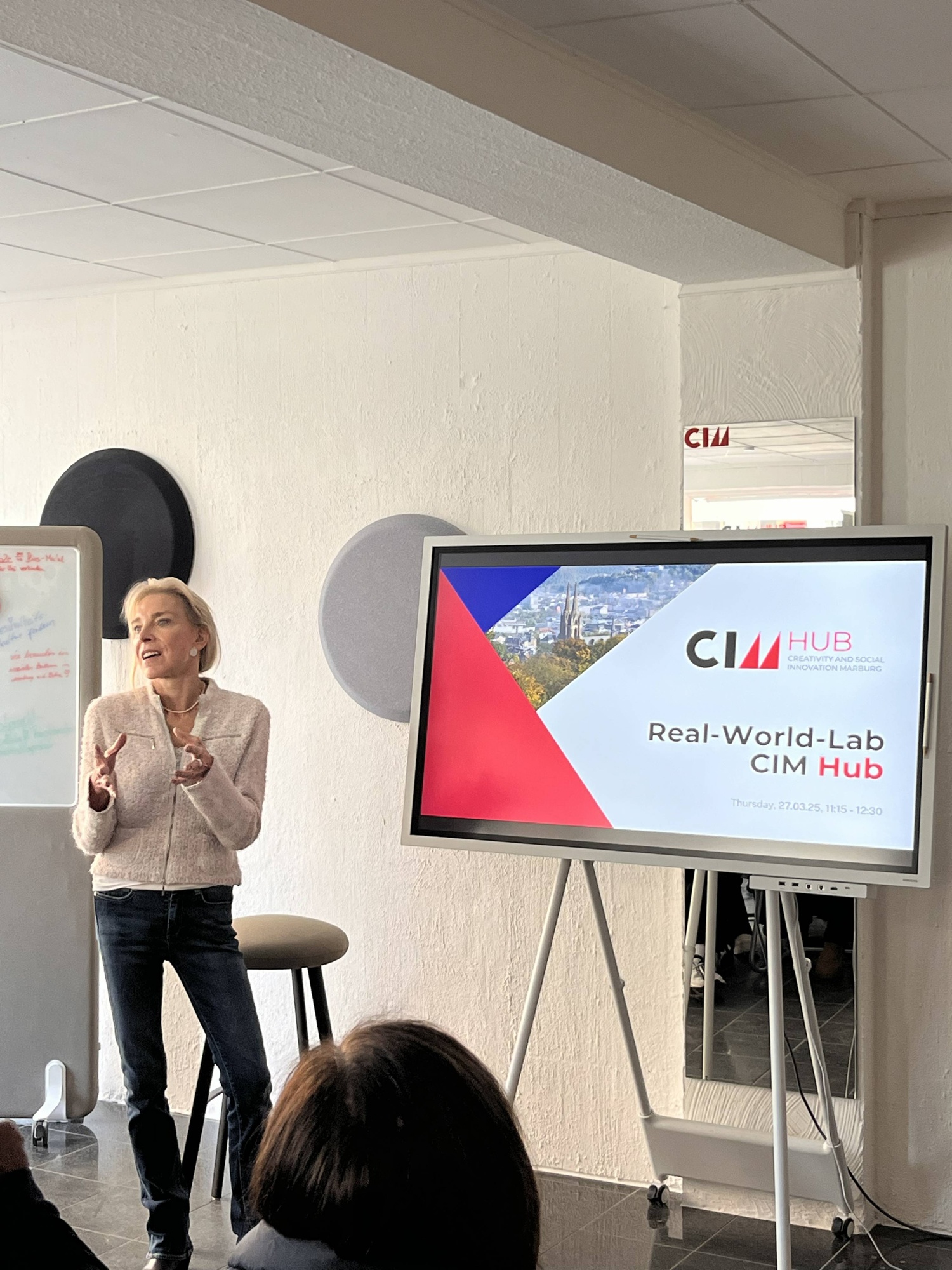
Against this background, the Living Lab ‘Creativity and Social Innovation Hub Marburg (CIM Hub)’ aims to connect transformative research and education with practice-based knowledge from stakeholders outside the university. It generates scientific knowledge about the design principles underlying these micro-dynamics while contributing to transformative change in the local knowledge ecosystem.
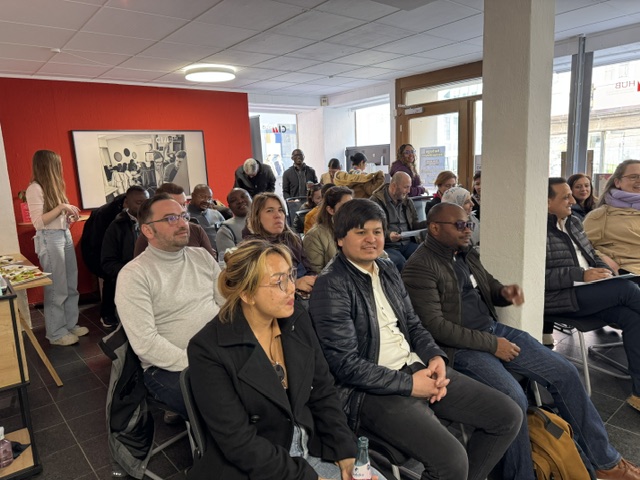
Starting in 2019, first with an inter- and transdisciplinary university module, the CIM Hub as a Living Lab was established in 2022 as an organisational format that allows experimentation with societal interventions in real-world settings. The CIM Hub brings together students and regional actors from within and outside the university to jointly develop innovative solutions to challenges in the local knowledge ecosystem. This distinctive setting allows us to explore research and knowledge-transfer activities while integrating an interdisciplinary university module for Bachelor’s and Master’s students from various faculties at the University of Marburg. Through these processes, students can develop experience-based transformative competences in real-world settings.
Copyright: CIM-Hub
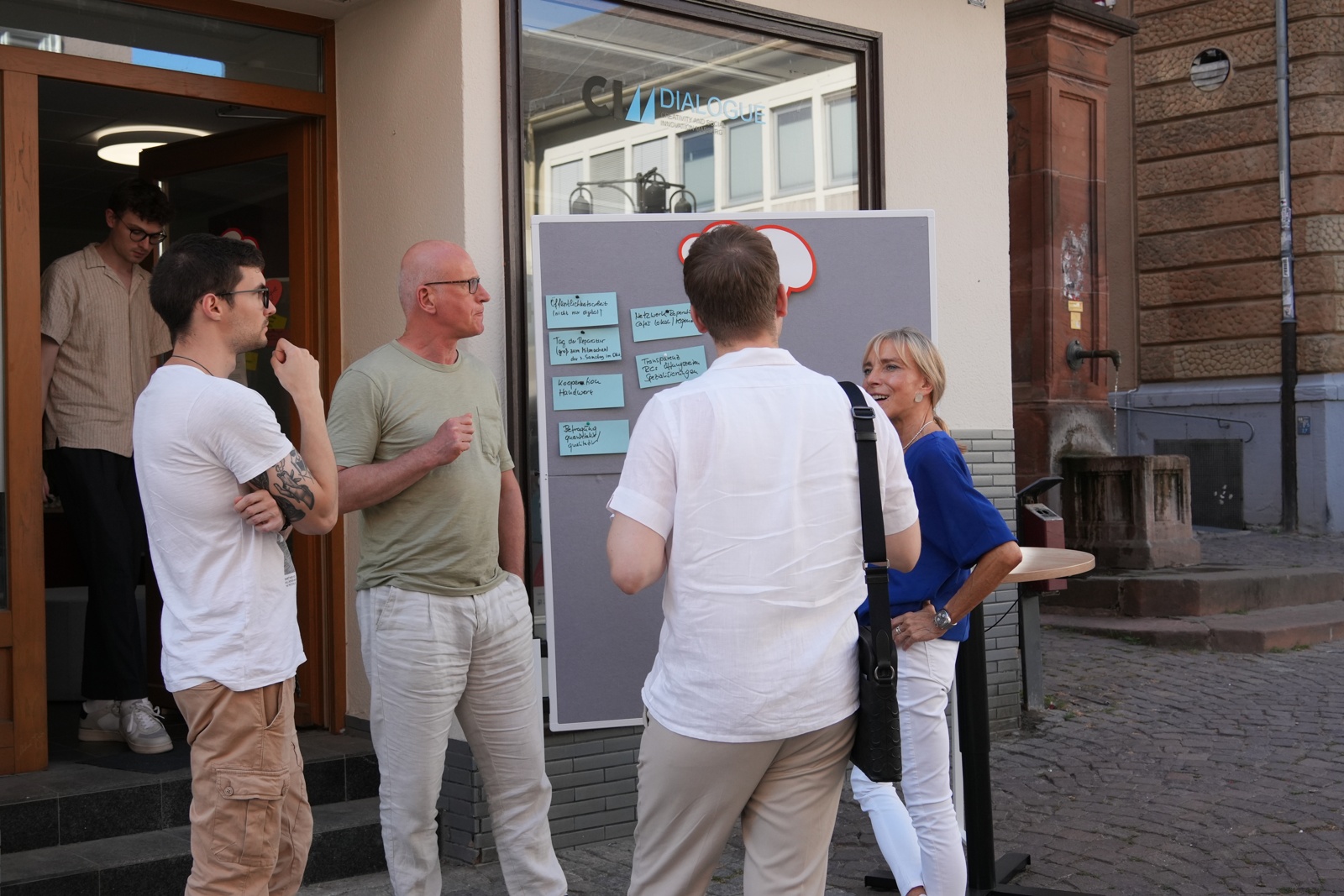
The CIM Hub challenges established frameworks that neatly separate disciplines and focus teaching on the transmission of descriptive knowledge. It facilitates direct interaction with society and supports bottom-up democratisation by treating societal perspectives as equally important in discussions of sustainability transformation. In our projects, we jointly identify, define, and test problems and potential solutions through collaborative processes. To date, we have initiated 21 projects, which we continue to develop (see Cim-Hub project overview below). Within the regional knowledge ecosystem, this approach facilitates negotiation among different perspectives and interests concerning the region’s wicked problems. It thereby brings together research- and practice-oriented approaches to sustainability transformation.
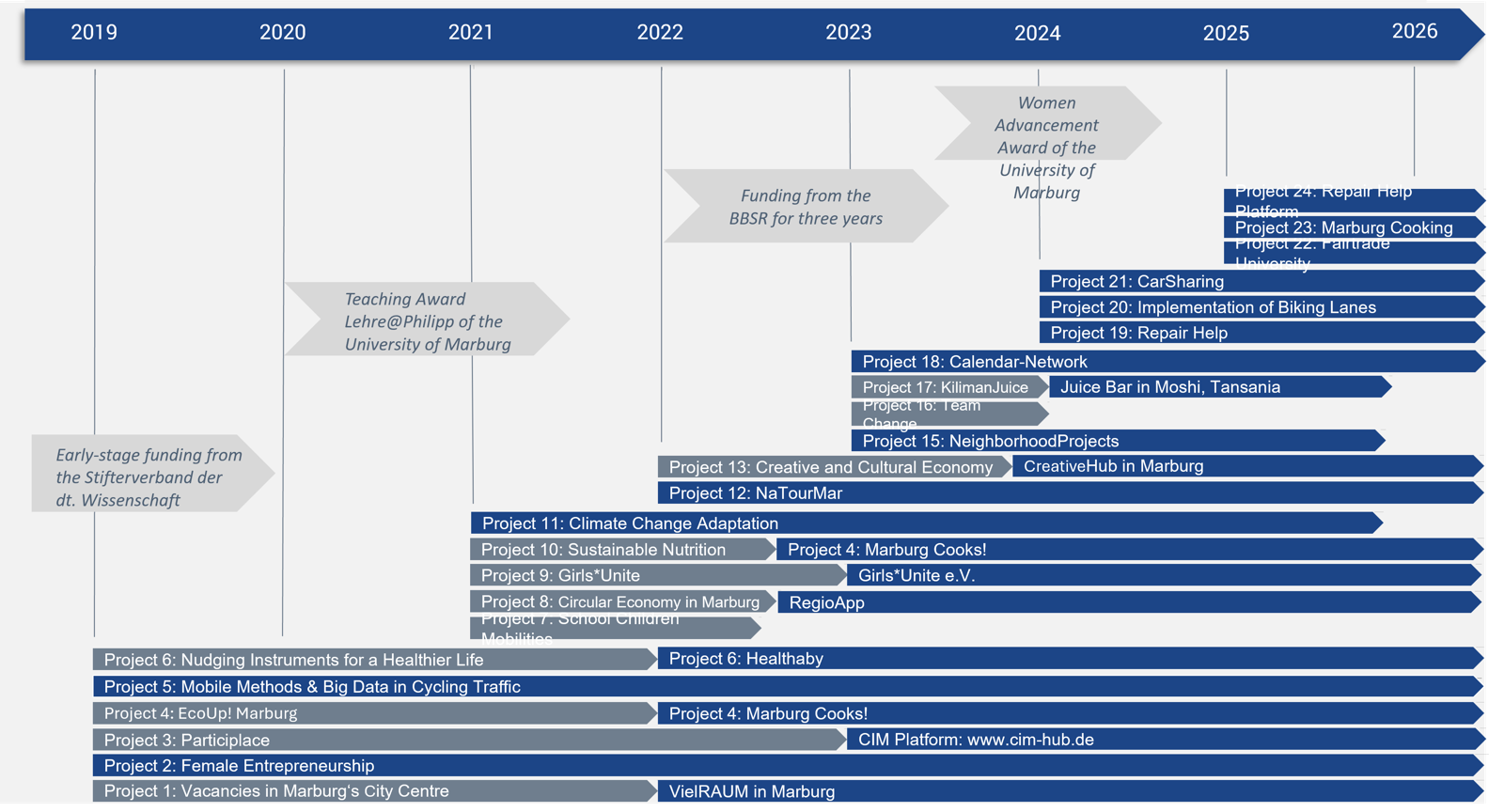
CIM-Hub project overview; Copyright: Simone Strambach
The CIM Hub, like other Living Labs, is therefore important not only for research on sustainability transformation but also as a new organisational format and learning environment in higher education. It enables students to acquire transformative competences relevant to the labour market and empowers them to become responsible agents in shaping a rapidly changing world. Transformative competences are also central to current discussions of future skills. Implementing transformative processes in the CIM Hub goes beyond merely adapting the curriculum. It involves establishing new infrastructure through physical and institutional anchor points within higher education. These new spaces for exploration and experimentation are needed to implement projects that translate theoretical knowledge about future skills into practice. This brings us back to the question: How can we create new spaces for interaction between actors inside and outside the academic system to foster sustainability transformation in local knowledge ecosystems? Our transformative research, supported by ongoing evaluation at different levels (individual, project, and community), demonstrates that the often-hidden micro-dynamics involved in initiating and implementing new socio-ecological projects within Living Labs can become institutionalised over time. In other words, short-term collaborative processes at the micro level can become embedded in longer-term structures at the level of the knowledge ecosystem (see above).
In the complex field of Living Labs, further research is needed into governance structures that intentionally foster combinatorial knowledge and knowledge dynamics. Comparative empirical research on Living Labs in Germany, including their processes and societal impacts, would also benefit from further investigation.
In conclusion, the CIM Hub shows that combining physical and digital infrastructure, institutional anchoring, transdisciplinary teaching, and inclusive, collaborative processes can create new spaces for interaction. In doing so, it facilitates the creation of conditions for sustainability transformation in the local knowledge ecosystem.
For more information about the projects, visit our digital platform at www.cim-hub.de or on Instagram at @cim_hub_marburg.